Summary outline sentences structure: 1. Timeline progression (beginning, middle, end, other details) 2. Major topics covered: Thing A, Thing B, Thing C.
Finishing the “establishing basics” section of the course. Major Topics covered: Bass, Chromatic notes, practicing guitar (Strumming/picking, researching tutorials, hookpad experimentation).
PRACTICE ROOM (LESSONS) 8:30-9AM
Reflection: I looked up a basic video tutorial about playing guitar and I learned what the different cords on the guitar were, how different styles of guitar work, and how to do strumming and picking. Link to video tutorial: https://www.youtube.com/watch?v=odicgM5EUKM
Reflection: Watching the video the things that stood out to me were: Bass music was introduced a lot more alongside waltz music, senthisizers helped give bass players more flexibility, organs (the instrument but I guess the biological organ in some maner) opperated as some of the first examples of bass focused music instruments.
OUTSIDE (INSPIRATION / IDEAS) 9:45-10:15AM
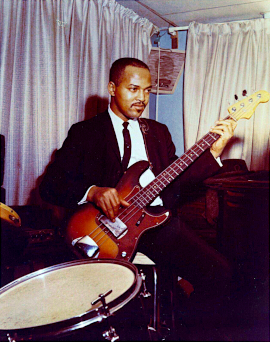
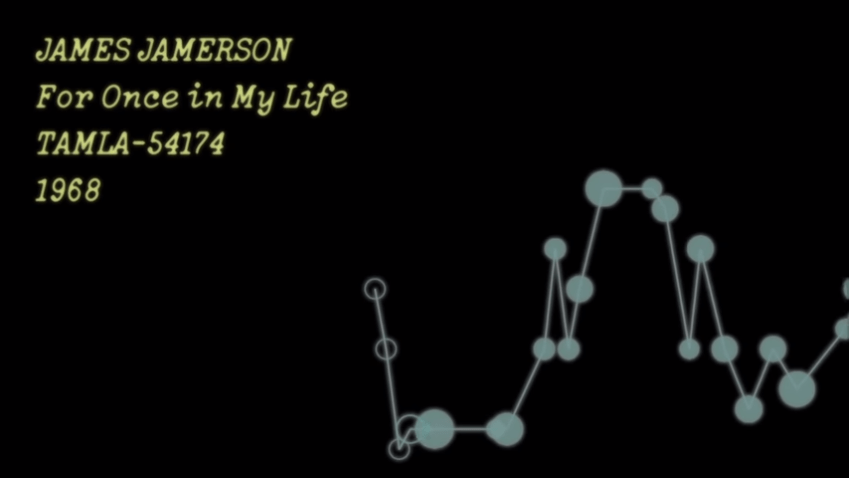
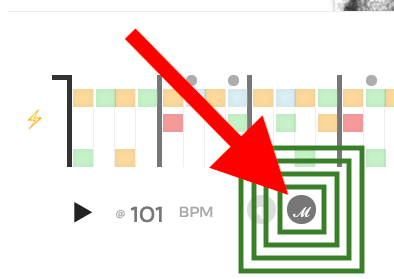
Part 1:Explore Carol Kaye and James Jamerson’s Profiles in Excellent. These two bass players are credited with creating some of the best bass lines! Then go for a walk and think of the funky work they created.
Profile in Excellence
Screenshot from Polyphonic at YouTube
Check out these two videos about amazing bass player Carol Kaye
After playing with Quizlet, go for a walk and think about bass lines. Think of songs that have great basslines. When you are back from your walk, you might want to research more about the notes that make those basslines stand out?
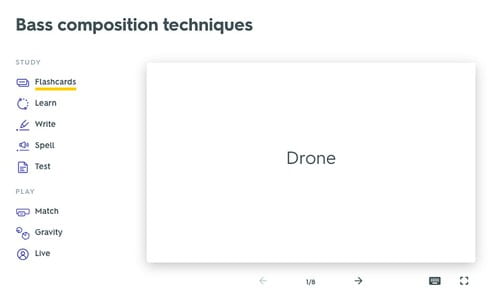
Screenshot from Quizlet Bass Composition Techniques
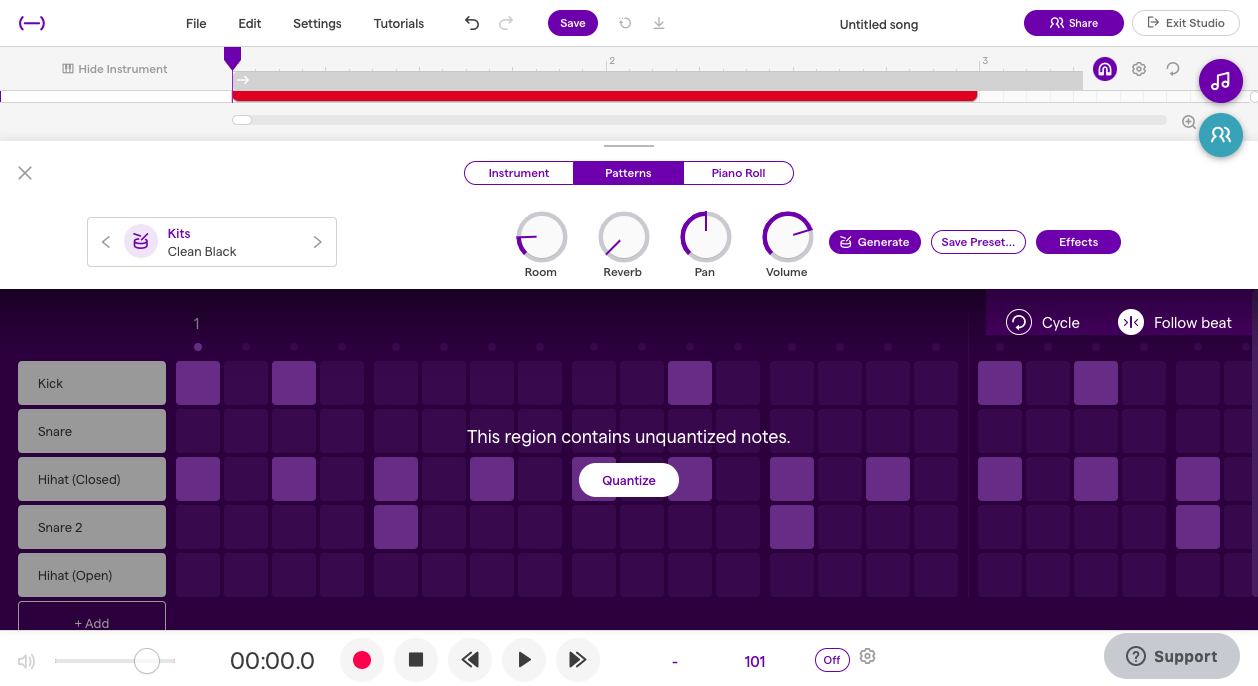
Step 3:Try making a bassline to a chord progression or melody line.
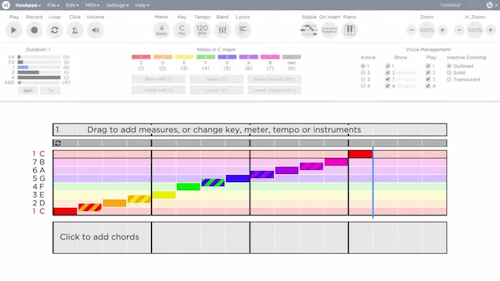
Screenshot from HookLab
How was this activity? Write a reflection on what you did and learned.
I started working after step 1 and didn’t realize there were more steps so for the most part I spent this period experimenting with the chromatic chords in Hookpad.
LUNCH 11:15-11:45AM
STUDIO (SONGWRITING) 11:45-12:45PM
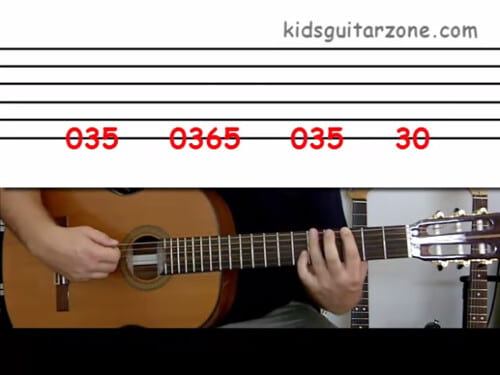
Play around with playing the low E string (6th string on the top of the neck) on your guitar. Create a simple three-note-ish bassline. Get funky with it. Try different plucking tempos to great the groove. You can even try playing Smoke on the Water
Screenshot from Kidsguitarzone.com
What did you compose? Write a reflection on what you did. DELETE ALL OF MR. LE DUC’s INSTRUCTIONS DETAILED ABOVE AFTER COMPLETING THEM
CONTROL ROOM (RECORDING & MIXING) 12:45-1:45PM
Record the bass line you developed in the studio.
How did the recording go? Write a short reflection.
DELETE ALL OF MR. LE DUC’s INSTRUCTIONS DETAILED ABOVE AFTER COMPLETING THEM
Write a brief reflection on your mental meanderings.
DELETE ALL OF MR. LE DUC’s INSTRUCTIONS DETAILED ABOVE AFTER COMPLETING THEM
STAGE (SHARE) 2-2:30PM
Currently to my understanding we’ve been using the “stage” time to share songs we’d like to analyze and often continue some practice from the previous period.
I missed the first song because I had to go to the bathroom, but I was able to come back in time for the second song I believe was called “the first hunter.”
I made some points of analysis focusing on the context of the song as part of the video game Bloodborne and the ideas of the game and wider game genre it’s apart of, and I noted some elements of contrast and theming of ascension and darkness.
WHAT I LEARNED and PROBLEMS I SOLVED
Tell your daily story here! Highlight what you learned and enjoyed most, and at least one problem you solved. Problem-solving is one of the most important skills you need in life. Employers want to know HOW you get stuff done as much as WHAT you got done. DELETE ALL OF MR. LE DUC’s INSTRUCTIONS DETAILED ABOVE AFTER COMPLETING THEM
TODAY’s ACTIVITY EVALUATION
Give feedback on the class Content and Process
Participation will be part of your leadership project due at the end of the course
Use the MusicWill.org JamZone, books, or ultimate-guitar.com. Remember to use a metronome to record the BPM rate you can play perfectly.
Reflection: I didn’t know what to do at the beginning so I started experimenting with notes in hooktheory and then I tried tuning my guitar, Le duc reminded me that the letters that should be displaying in rockband that correlate with good tuning are on the board, so if I need to tune my guitar again all I have to do is look at the board and match the letters with the chords.
DELETE ALL OF MR. LE DUC’s INSTRUCTIONS DETAILED ABOVE AFTER COMPLETING THEM
Rhythm Practice
Time for the right hand to take center stage (if you are a right-handed guitar player).
WatchMike Palmisano show you how to play guitar like a drummer.
After playing with Quizlet, go for a walk and think about the rhythm of your steps. How many beats per minute is your walk/pace/cadence? What is the tempo of some of your favorite songs? How many beats per minute is your favorite tempo?
Write a brief reflection on your mental meanderings.
LAB (THEORY PRACTICED) 10:15-11:15AM
I started by mixing together notes in hooklab (think that’s what the thing is actually called, not hook theory that’s the website, hooklab is the application), I started getting bored with that so switched to tuning my guitar again and I think I made some improvement on tuning, then I took a nap for 10-15ish minutes and then I started experimenting with my guitar.
overall the main thing I think I made progress on was tuning.
LUNCH 11:15-11:45AM
STUDIO (SONGWRITING) 11:45-12:45PM
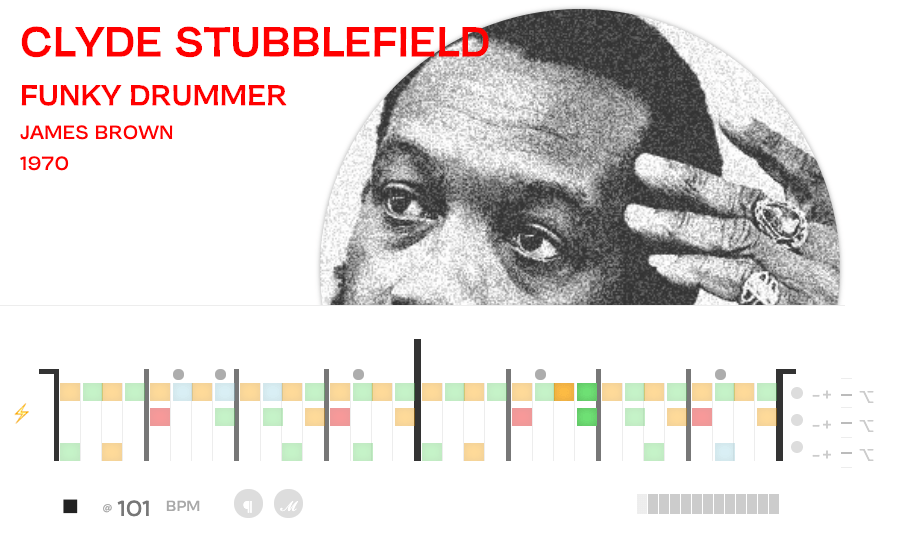
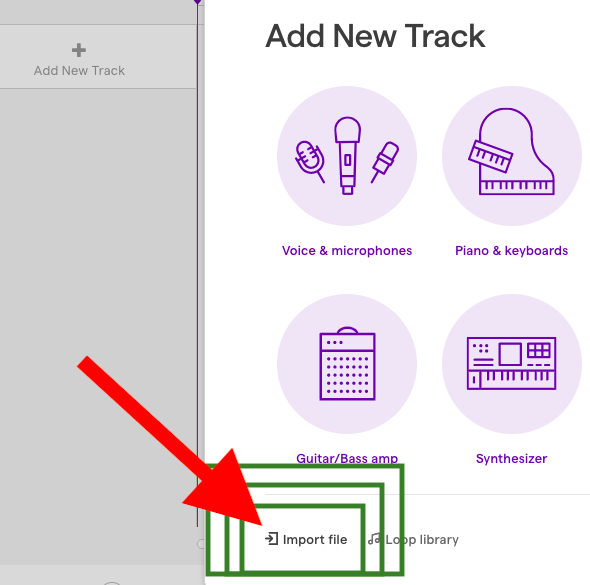
Funklet is back! This time in the studio. Pick a drummer, like Clyde Stubblefield. Play around with the drummer’s beat with Funklet’s editing options. Export a drum sample and import it into Soundtrap.com. Play a rhythmic guitar or ukulele strumming pattern over the beat. Practice playing in time with the beat. Try muting the strings and keeping the tempo, chucka-chucka style. Watch this chucka-chucka tutorial to better understand the technique.
I couldn’t access funklet for the first half of the period because the link wasn’t working and someone had to figure out that you could just go to a webpage, and by the time I could access it I didn’t really have much time to experiment to I played a few of the beats and read the descriptive text, I may come back to this to evaluate some common elements of the pieces in the program.
CONTROL ROOM (RECORDING & MIXING) 12:45-1:45PM
Funklet is back, AGAIN! This time in the control room.
Pick a drummer.
Export the MIDI file.
Import it into Soundtrap.
Record a rhythmic guitar strumming pattern over the beat.
If you get stuck with any of these steps, watch Mr. Le Duc’s Tutorial for Exporting and Importing MIDI Files with Funklet, HookLab, and Soundtrap.
Reflection: I exported a file from funklet into soundtrap but the file wasn’t making any sounds, i’m beginning to realize just how exhausted I am and I think I might wanna just go home because I can’t really focus on work right now
OUTSIDE (INSPIRATION / IDEAS) 1:45-2PM
ATOMIC HABITS – Tiny Changes that Create Remarkable Results – James Clear
DELETE ALL OF MR. LE DUC’s INSTRUCTIONS DETAILED ABOVE AFTER COMPLETING THEM
STAGE (SHARE) 2-2:30PM
We will work on MusicWill.org materials when ‘on stage’.
This is the performance room for sharing and playing together.
Reflect on which instrument you picked and what we played today.
DELETE ALL OF MR. LE DUC’s INSTRUCTIONS DETAILED ABOVE AFTER COMPLETING THEM
WHAT I LEARNED and PROBLEMS I SOLVED
I had some issues with tuning but Mr. Leduc showed me how to properly tune my guitar, so now I know how to tune the guitar and I think i’m making progress on actually learning how to play guitar.
TODAY’s ACTIVITY EVALUATION
Give feedback on the class Content and Process
Participation will be part of your leadership project due at the end of the course
Use the MusicWill.org JamZone, books, or ultimate-guitar.com. Remember to use a metronome to record the BPM rate that you can currently play perfectly.
DELETE ALL OF MR. LE DUC’s INSTRUCTIONS DETAILED ABOVE AFTER COMPLETING THEM
Watch the band U2 nearly break up but be saved by the chord progression that eventually became the song One. This is from the 55-minute mark of the documentary From The Sky Down.
Documentary reflectiion: The band almost broke up due to internal issues and stress, but was brought back together when they experimented with mixing songs, Le duc’s moral of teh story is that writers block isn’t real, and if you’re struggling to come up with ideas then you can write about your struggle.
Watch the tutorial and write some chord progressions in HookPad.
Plug your instrument into the Scarlett red box and listen through Soundtrap.com.
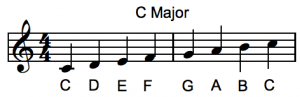
Watch this informative video by Jake Lizzio. Experiment with notes on your guitar and try playing along with him. If you cannot do this, play just the C note or chord every time he plays it.
DELETE ALL OF MR. LE DUC’s INSTRUCTIONS DETAILED ABOVE AFTER COMPLETING THEM
CONTROL ROOM (RECORDING & MIXING) 12:45-1:45PM
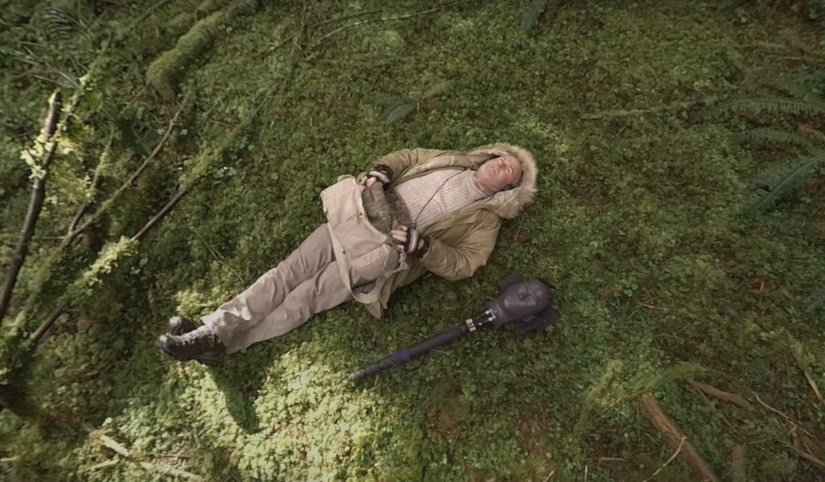
Tune your guitar, bass, or keyboard. Try recording two tracks of guitar, bass, or keyboard. One with the single notes, like Jake Lizzio showed you above, and a second with the lower C bass notes to make a simple progression. Remember,two notes playing at the same time is a chord, and they are in harmony. Keep it simple. Refer to your Quizlet Guitar Strings / Notes Flashcards if you need help remembering the guitar notes on the first three frets. Set a timer. Stop playing before you feel like Chewbacca below.
Save your work and add Mr. Le Duc as a collaborator in your Soundtrap file.
Write a short reflection here about what you thought.
DELETE ALL OF MR. LE DUC’s INSTRUCTIONS DETAILED ABOVE AFTER COMPLETING THEM
OUTSIDE (INSPIRATION / IDEAS) 1:45-2PM
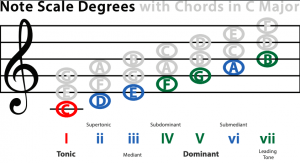
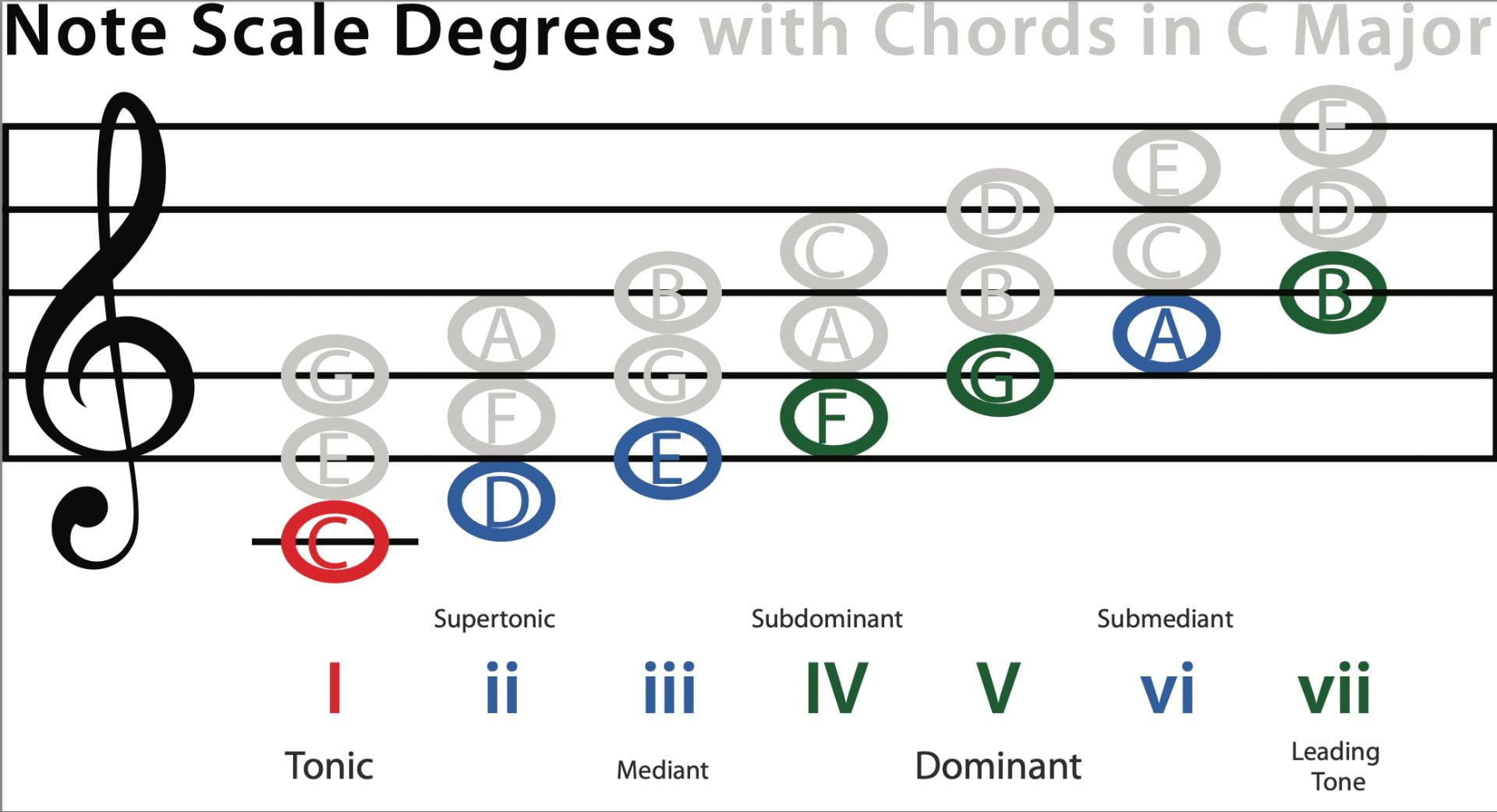
Go for a walk and think about the Tonic (1 chord) and the Dominant (5 chord) and how they create push and pull tension and release in composition. Also, think of songs you like and where is the tension or build-up in the songs?
Write a short reflection here about what you thought. DELETE ALL OF MR. LE DUC’s INSTRUCTIONS DETAILED ABOVE AFTER COMPLETING THEM
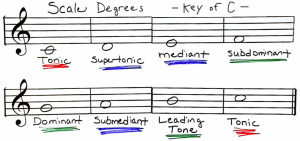
Tonic (1 and 8 chords)
Root note creates a feeling of resolution and stability
Supertonic, Mediant, Submediant (2, 3, 6 chords)
Moderate tension, useful for transitions
Dominant, Subdominant, Leading Tone (4, 5, 7 chords)
We will work on MusicWill.org materials when ‘on stage’.
This is the performance room for sharing and playing together.
Reflect on which instrument you picked and what we played today.
DELETE ALL OF MR. LE DUC’s INSTRUCTIONS DETAILED ABOVE AFTER COMPLETING THEM
WHAT I LEARNED and PROBLEMS I SOLVED
Tell your daily story here! Highlight what you learned and enjoyed most. Problem-solving is one of the most essential skills you need in life. Employers want to know HOW you get stuff done as much as WHAT you got done.
DELETE ALL OF MR. LE DUC’s INSTRUCTIONS DETAILED ABOVE AFTER COMPLETING THEM
TODAY’s ACTIVITY EVALUATION
Give feedback on the class Content and Process
Participation will be part of your leadership project due at the end of the course
Use the MusicWill.org JamZone, books, or ultimate-guitar.com. Remember to use a metronome to record the BPM rate that you can currently play perfectly.
What did you think about your practice today?
DELETE ALL OF MR. LE DUC’s INSTRUCTIONS DETAILED ABOVE AFTER COMPLETING THEM
I find the conversation regarding music as a language pretty interesting, the contributions of different cultures music is very interesting, and the fact that pretty much every culture uses the same tones is an interesting detail as well
DELETE ALL OF MR. LE DUC’s INSTRUCTIONS DETAILED ABOVE AFTER COMPLETING THEM
OUTSIDE (INSPIRATION / IDEAS) 9:45-10:15AM
Went outside, walked around a bit to stretch my legs, listened to some music while I scrolled on reddit, and drank some water (hydration is important!).
Watch the tutorial. How was this activity? Write a reflection on what you did and learned. DELETE ALL OF MR. LE DUC’s INSTRUCTIONS DETAILED ABOVE AFTER COMPLETING THEM
Write a brief reflection on how this process worked for you.
I went to the bathroom shortly after this period started, so I spent most of the time in this playing patterns on the guitar (I don’t know what the official term for it is) and I recorded some of it on soundtrap.
I’m feeling kinda frustrated and confused, and I guess the best way to put it is this:
Learning how to play music feels similar to learning how to write language, but it’s not like just like learning a new language, it’s learning how language as a concept works all over again.
In class we’ve been talking about cords and melodies and phrases and what not, and it feels like an english teacher trying to teach me how to write a paragraph or a poem when I don’t even know what a word or a letter is.
I’ve been kinda just messing around with the strings on my guitar and i’ve been putting together patterns that sound nice, but I do not understand even the basics of how any of it works, like what the cords are even called (i’ve heard things like an A string and a G string but I couldn’t tell you where they are or what they do), and it feels kinda upsetting and like i’m falling behind because i’ve been missing a lot of the basics, likely due to the fact that these things were only very briefly mentioned and I wasn’t given a full in-depth lesson on where the strings are and what different pieces on the guitar do.
I also feel like the expectations in this class have been quite confusing, like what things am I expected to figure out on my own and what are the things i’m supposed to be instructed on? I have no prior experience to music at all so it feels very hard to take my own initiative when i’m unsure where i’m supposed to be going.
OUTSIDE (INSPIRATION / IDEAS) 1:45-2PM
I spent some time walking around the courtyard area thinking about random stuff, and then I had a nice heart to heart with Mr. Disten about some of my life (family, school, ect) and I really appreciated how he took the time to listen and talk to me about some things that have actually been bothering me.
One thing I guess i’ll mention is that, I joined the summer school of rock program for a lot of different reasons, but one of them honestly was just to escape my home life.
I have a very… complicated situation at home currently, i’ve been having problems with my family due to being a trans woman and due to my adhd, my father and brother have been antagonistic towards me and for the most part i’ve been trying to avoid them as much as possible as of recent.
I’ve tried talking with them about things but they just haven’t been very sympathetic or responsive, they are very “logic” based people and it feels like if i’m going to shift their minds on anything I have to construct some long complicated arguement as to why they should consider what I have to say, and to be completely honest I just don’t care about them enough to bother putting in a massive time investment just for the hope that I might be able to change their minds and get them to support me, when i’m already struggling enough in life as is with school, socializing, getting ready for college, participating in after school theatre programs and the theatre community, and a number of other things, I just don’t feel like they bring enough (or anything at all) to my life to make it worth it to put in the time to change them, when that isn’t even a guarantee.
STAGE (SHARE) 2-2:30PM
We will work on MusicWill.org materials when ‘on stage’.
This is the performance room for sharing and playing together.
Reflect on which instrument you picked and what we played today.
DELETE ALL OF MR. LE DUC’s INSTRUCTIONS DETAILED ABOVE AFTER COMPLETING THEM
WHAT I LEARNED and PROBLEMS I SOLVED
Tell your daily story here! Highlight what you learned and enjoyed most. Problem-solving is one of the most essential skills you need in life. Employers want to know HOW you get stuff done as much as WHAT you got done.
DELETE ALL OF MR. LE DUC’s INSTRUCTIONS DETAILED ABOVE AFTER COMPLETING THEM
TODAY’s ACTIVITY EVALUATION
Give feedback on today’s class Content and Process
DELETE ALL OF MR. LE DUC’s INSTRUCTIONS DETAILED ABOVE AFTER COMPLETING THEM
SUMMARY
Write your daily summary last, at the end of the day, here… Only one to two sentences. DELETE ALL OF MR. LE DUC’s INSTRUCTIONS DETAILED ABOVE AFTER COMPLETING THEM
PRACTICE ROOM (LESSONS) 8:30-9AM
At the beginning of class I turned in my syllabus to Leduc (which led to him reminding the rest of the class to turn in the syllabus) and I told Leduc that I finished my blog last night and asked him what else I was supposed to do with it, he told me that all I had to do was email the site url to him so he could get access to it which I did. By doing these two things at the beginning of class I solved two problems, 1. I need to turn in my syllabus, and 2. I need to give Leduc access to my blog.
After doing those two tasks alongside going through the motions of some morning routine stuff in the class, I put in the blog post from the previous day before Leduc told the class that it didn’t matter anyway (which was a bit of a bummer that I wasted some time doing that but hay “could a, woulda, shoulda” is never really useful anyhow.
after that I started playing around with my guitar, i’ve been practicing a few, I don’t know what to call them, tones or tunes? there’s one I’ve been trying out where I play the largest string and then tap it against the guitar which I thought made a cool sound, and I played a series of the smaller strings to make a different series of sounds (starting with the 4th largest, then the 4th and 3rd together, then the 4th 3rd and 2nd together, in a pattern that I thought sounded cool but I still don’t have the vocabulary to explain yet, but I think these tones i’ve been playing could be the start of a potential song? I don’t know but I think it’s some good experimentation at the very least.
Finally Leduc told the class how he was kinda overwhelmed with figuring things out and told us that he was just gonna focus on the Edublogs thing and told us to paste in the day 2 blog format and fill out the practice reflection and that’s where I got to writing this whole section.
Write notes on topics you want to remember. This video is very intense. There is a lot of music theory in it. Please enjoy and try not to get overwhelmed. Much of this will make more sense as you work with these concepts. Think of this as an overview. DELETE ALL OF MR. LE DUC’s INSTRUCTIONS DETAILED ABOVE AFTER COMPLETING THEM
We watched a video about some basics of music theory involving tones, keys, and sharps?
for the most part a lot of the concepts seemed reasonable in the abstract but when it came to actually using that information regarding playing music it didn’t make sense to me.
I think part of the reason it didn’t make sense to me was because they were using a keyboard where I was using a guitar, so I couldn’t clearly connect the ideas of the video to the instrument I was playing.
Two concepts from the video that did make sense to me was the broader explanation of music as a language and how most songs are made of of 12 (or 7, that part was a bit confusing) tones that people generally like.
Go for a walk.Think about your life as a narrative for today. A story of today. You as the protagonist. What/who is your nemesis? Are you trying to win/accomplish something? What? Write notes here about what you thought… and experiment with your blog. Maybe change the theme? Have fun!
Reflection: I’ve already gone over the “hero’s journey” format before in many classes so this was just pretty much a review of something I already knew, but now i’m wondering how exactly the hero’s story or other story formats work with music, since music doesn’t really have scenes or whatever in the way that a play or a book or something has (as least to my current knowledge) so I’m interested in learning how exactly narratives can be formed with music.
One of the ideas I’ve latched onto over the years is that every story medium, whether it be books, theatre plays, films, or music, all artistic mediums have their own special strengths as to what types of narratives they tell
DELETE ALL OF MR. LE DUC’s INSTRUCTIONS DETAILED ABOVE AFTER COMPLETING THEM
Write what you noticed about some of the songs you explored. What keys were they in? What were their tempos? What about the note or chord structure was interesting? These are just some of the criteria you might want to examine. DELETE ALL OF MR. LE DUC’s INSTRUCTIONS DETAILED ABOVE AFTER COMPLETING THEM
I wasn’t able to participate much in the activity because I was having a technology issue with my headphones where it was taking in a bunch of sound from the local environment to the point I couldn’t focus on the hooktheory music.
I tried ignoring the issue with the headphones and tested out a few pieces of music with the software but I wasn’t really impressed with it.
Write a brief reflection on some of the highlights you learned.
Sythisizer programs: playground, helm, vital, VCV (a bit more advanced but also more versatile)
DELETE ALL OF MR. LE DUC’s INSTRUCTIONS DETAILED ABOVE AFTER COMPLETING THEM
CONTROL ROOM (RECORDING & MIXING) 12:45-1:45PM
Reflection: I spent most of the section trying to get Soundtrap to work and pretty much nothing I did worked, I checked garage band to see if it was something to do with that but everything was working fine in Garageband and trying to turn it off didn’t work. I then tried changing some settings in Soundtrap and that didn’t seem to fix anything either, so i’m kinda just frustrated right now.
Write a brief reflection on how this process worked for you.
DELETE ALL OF MR. LE DUC’s INSTRUCTIONS DETAILED ABOVE AFTER COMPLETING THEM
OUTSIDE (INSPIRATION / IDEAS) 1:45-2PM
STAGE (SHARE) 2-2:30PM
We will work on MusicWill.org materials when ‘on stage’.
This is the performance room for sharing and playing together.
Reflect on which instrument you picked and what we played today.
DELETE ALL OF MR. LE DUC’s INSTRUCTIONS DETAILED ABOVE AFTER COMPLETING THEM
Le duc talked about what we’d be doing in the future sessions of this class, particularly how we’d be taking more initiative in learning our instruments with the booklets we were given.
I’ve always enjoyed how Le duc’s classes have always been about giving students more ability to choose how they want to learn and I appreciate being given that level of freedom.
WHAT I LEARNED and PROBLEMS I SOLVED
Tell your daily story here! Highlight what you learned and enjoyed most. Also, share what you need to do to complete the day’s work. Problem-solving is one of the most important skills you need in life. Employers want to know HOW you get stuff done as much as what you got done. DELETE ALL OF MR. LE DUC’s INSTRUCTIONS DETAILED ABOVE AFTER COMPLETING THEM
Le duc has gone over recently how frustration is an important part of learning, and I can kind of get that in an abstract manner but I still feel like I don’t fully understand it currently, especially as I was struggling a lot with getting soundtrap working, in the end Le duc was able to figure out the problem but I would’ve appreciated more communication regarding how he and Disten were solving the issues.
We will complete some activities before you fill it in
Email Mr. Le Duc, sleduc@osd.wednet.edu, and Mr. Disston, gdisston@osd.wednet.edu, so they have the email address you will be using during summer school
DELETE ALL OF MR. LE DUC’s INSTRUCTIONS DETAILED ABOVE AFTER COMPLETING THEM
SUMMARY
We did a few activities where we got introduced into some productivity techniques, most of them were a bit “whatever” but I found the one about brain energies pretty compelling.
Write your daily summary last, at the end of the day here…
Add details to the notes below that you found interesting…
Goal: listen to music in a way that will enrich but not harm you
10%-20% of high schoolers have hearing damage
Hearing damage can happen on one occasion and doesn’t have to be constant
No cure!
Temporary Threshold Shift: “hearing hangover”
Wearing earplugs doesn’t change the quality of sound but just the volume
High-frequency loss is most common among musicians
Distancing yourself from the source and earplugs is the best way to prevent hearing loss
Stimulants while listening to music can increase the risk of hearing damage
Resting your ears is important, space out concerts
70 dB, no risk
85 dB, risk after 8 hours
91dB, 2 hours without damage
100 dB, 15 minutes without damage
115 dB, 1 minute without damage
140 dB, immediate damage and pain
Symptoms of damage, tinnitus, muffled hearing, and other mental and physical problems like irritability, depression, high blood pressure, and fatigue
Damage is done when the cochlea hair cells in the inner ear are damaged. They do not grow back. These are what interpret vibrations and turn them into what we hear.
Safety Online
Participate in the Netsmartz.org Internet safety discussion about being safe online
DELETE ALL OF MR. LE DUC’s INSTRUCTIONS DETAILED ABOVE AFTER COMPLETING THEM
OUTSIDE (PRESENTATION & VOICE) 9:45-10:15AM
Listen to a chapter of The Creative Act: A Way of Being by Rick Rubin
Go for a walk and think about the chapter.
When you come back, write a short reflection and then share with the group what you thought about.
DELETE ALL OF MR. LE DUC’s INSTRUCTIONS DETAILED ABOVE AFTER COMPLETING THEM
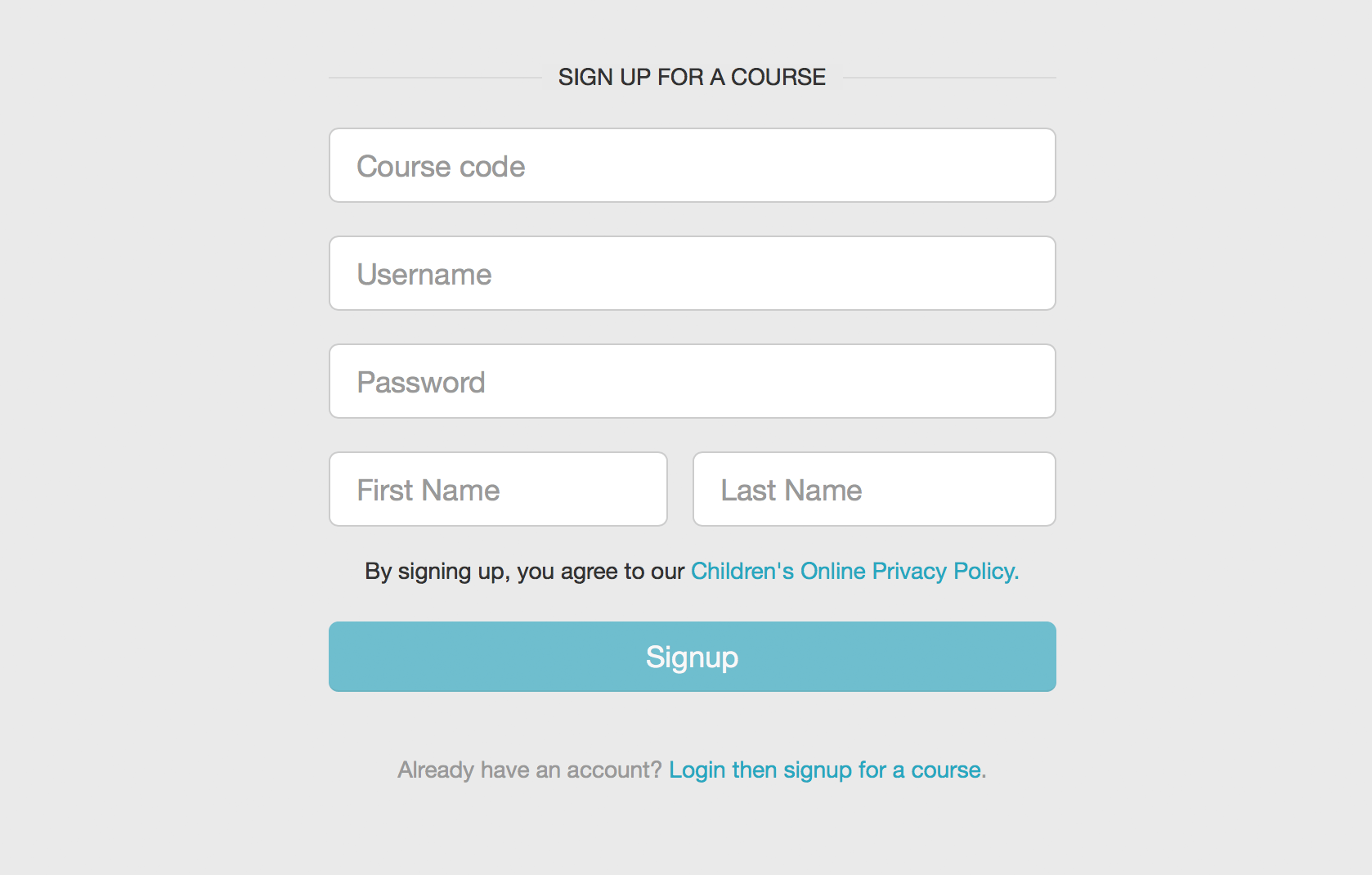
Step 1. Tell your students to click “I am a student with a course code” at the bottom of the website, as shown below.
Step 2. On the “Course Sign Up” page, students enter the course code, a username, a password, and their first and last name, as shown below.
This creates a Hooktheory account for the student and links it to your course. If a student visits the course sign-up page while logged into an existing account, it only asks for the course code.
When you come back, write a short reflection and then share with the group what you thought about.
DELETE ALL OF MR. LE DUC’s INSTRUCTIONS DETAILED ABOVE AFTER COMPLETING THEM
STAGE (SHARE) 2-2:30PM
We will work on MusicWill.org materials when ‘on stage’.
This is the performance room.
Reflect on which instrument you picked to work on first.
DELETE ALL OF MR. LE DUC’s INSTRUCTIONS DETAILED ABOVE AFTER COMPLETING THEM
WHAT I LEARNED and PROBLEMS I SOLVED
1 problem I “solved” was an issues with the sound box not providing sound to the headphones, another student came over and showed me that the plug from the guitar to the box was plugged into the wrong slot and I hadn’t changed the correct settings in the garage band software, but once we corrected those issues the sound for the headphones started working.
Tell your daily story here! Highlight what you learned and enjoyed most. Also, share what you needed to do to complete the day’s work. Problem-solving is one of the most important skills you need in life. Employers want to know HOW you get stuff done as much as what you got done.